


A Comprehensive Comparison of Plastic Guides for Aluminum Windows
 May 12, 2026|
 View:242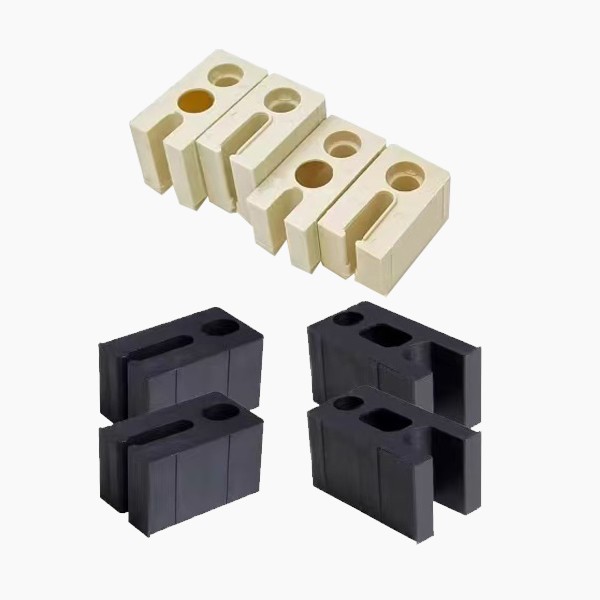
Introduction
For manufacturers and installers of aluminum sliding windows and doors, achieving that perfect, effortless glide is a hallmark of quality. While the aluminum profile provides the structure, the unsung heroes enabling this smooth operation are the plastic guides (also commonly referred to as gliders, sliders, or sash guides) installed within the profile channels. These small components bear the weight of the sash, minimize friction, and are critical for long-term durability and sealing performance. However, not all plastic guides for aluminum windows are created equal. Differences in material composition, structural design, and manufacturing precision can significantly impact the end product's feel, lifespan, and reliability. This article provides a detailed, comparative analysis of aluminum window plastic guides across multiple dimensions, empowering you to specify components that enhance your product's value.
Key Takeaways
- Material Matters: The polymer type (e.g., PP, Nylon, POM) directly determines a guide's wear resistance, strength, and temperature tolerance.
- Design Dictates Function: Features like dovetail tenons, integrated ribs, and specific channel shapes affect installation ease, stability, and noise reduction.
- Precision Ensures Performance: Dimensional accuracy is non-negotiable for consistent operation and effective sealing across all units.
- Customization is Key: The ability to tailor guides to specific profile geometries is essential for optimal performance in bespoke or high-volume projects.
- Total Cost of Ownership: The right guide reduces callbacks, improves energy efficiency, and enhances user satisfaction, offering value beyond unit price.
What Are Aluminum Window Plastic Guides and Why Do They Matter?
Plastic guides for aluminum windows are injection-molded components fitted into the tracks or channels of window frames. Their primary functions are:
- Reduce Friction: They create a low-friction interface between the moving sash and the fixed frame, ensuring smooth opening and closing.
- Support Weight: They help distribute the sash's weight evenly along the track, preventing sagging and reducing stress on other hardware.
- Minimize Wear: By preventing direct metal-on-metal contact, they protect the expensive aluminum profiles from scratching and wear.
- Enhance Sealing: Properly designed guides help maintain consistent alignment of the sash, which is crucial for the effective compression of weather seals.
- Dampen Noise: Plastic components can help reduce operational noise compared to metal-on-metal systems.
Choosing substandard guides can lead to sticky operation, increased wear, compromised seals, and ultimately, customer dissatisfaction and warranty claims.
Key Dimensions for Comparison
When evaluating aluminum window plastic guides, consider these critical aspects:
Comparison Dimension | What to Look For | Why It's Important |
|---|---|---|
Material | Type of polymer (e.g., Polypropylene/PP, Nylon/PA, Acetal/POM), presence of glass fiber or other reinforcements. | Determines mechanical strength, wear resistance, dimensional stability across temperatures, and UV/chemical resistance. |
Structural Design | Dovetail tenon vs. plain design, presence of reinforcing ribs, shape of the gliding surface, integration of clips or locks. | Affects grip strength within the profile, resistance to deformation under load, ease of installation, and long-term stability. |
Performance Metrics | Coefficient of friction, load-bearing capacity, operating temperature range, impact resistance. | Directly correlates to the smoothness of operation, durability in various climates, and overall window lifespan. |
Profile Compatibility | Precision of dimensions (LWH), slot design, distance to fixing points. | Ensures a perfect, snug fit within the specific aluminum profile cavity, which is vital for function and preventing rattle. |
Customization Capability | Ability to produce guides based on supplied CAD drawings or samples for non-standard profiles. | Essential for projects using custom or proprietary profile systems, ensuring no compromise on performance. |
Deep Dive: Material Comparison for Plastic Guides
The choice of material is the most fundamental decision.
- Polypropylene (PP): A highly popular choice due to its excellent balance of properties. It offers good toughness, high fatigue resistance, and a low coefficient of friction for smooth gliding. It is also chemically resistant and cost-effective. For enhanced strength and heat deflection temperature, glass-fiber reinforced PP is often used.
- Nylon (Polyamide/PA): Known for superior strength, abrasion resistance, and ability to withstand higher continuous temperatures. It is often chosen for heavy-duty applications or in regions with extreme heat. It can be more expensive than PP.
- Acetal (Polyoxymethylene/POM): Offers extremely low friction and high stiffness, leading to very smooth operation. It has excellent dimensional stability and moisture resistance. It is typically used in high-precision, high-performance applications.
For most standard and heavy-duty sliding aluminum windows, high-quality, reinforced PP provides an optimal balance of performance, durability, and value.
Design Features That Make a Difference
Beyond material, intelligent design elevates a guide from a simple spacer to a performance component.
- Dovetail Tenon Design: This feature provides a mechanical lock within the profile's channel, preventing the guide from loosening or popping out over time due to vibration or thermal cycling.
- Reinforcing Ribs: Internal or external ribs significantly increase the guide's structural rigidity, preventing it from collapsing or deforming under the pressure of the sash, especially in wider windows.
- Optimized Gliding Surface: The contour and finish of the surface that contacts the sash are engineered to minimize contact area and friction while ensuring stable guidance.
- Integrated Assembly Aids: Features like lead-in chamfers or alignment notches can speed up installation and reduce errors on the production line.
Performance Indicators: Beyond the Basics
When sourcing plastic guides for aluminum windows, inquire about these tested performance parameters:
- Wear Resistance: Measured through standardized abrasion tests, indicating how long the guide will maintain a low-friction surface.
- Temperature Operating Range: The span of temperatures within which the guide retains its shape and mechanical properties without becoming brittle or deforming.
- Load-Bearing & Deflection: The maximum static and dynamic load the guide can withstand without permanent deformation, ensuring support for heavy glazing units.
How to Select the Right Plastic Guide for Your Project
- Identify Profile Specifications: Obtain the exact profile cross-section drawing. The guide's dimensions must match the internal cavity perfectly.
- Define Performance Requirements: Consider the window's size, weight, intended use (residential vs. commercial), and local climate conditions.
- Choose the Material: For most applications, reinforced PP is sufficient. Opt for Nylon or POM for extreme conditions or premium projects.
- Prioritize Precision Manufacturing: Inconsistent dimensions are a primary cause of operational issues. Partner with a supplier known for tight tolerances.
- Value Engineering Support: A supplier that can review your design and suggest optimizations for the guide can add significant value.
The Haizhihang Advantage in Aluminum Window Plastic Guides
As a specialist manufacturer with over a decade of experience in window and door plastic accessories, Haizhihang understands the critical role of these components. Our approach to manufacturing plastic guides for aluminum windows is built on the principles reflected in our company philosophy: Technology, ECO-friendly, Humanity, and Fashion.
- Precision-Driven Production: Utilizing over 20 automatic injection molding machines and a library of more than 1,000 molds, we ensure every guide is produced with consistent, high precision to meet exact profile specifications .
- Material Expertise: We primarily engineer our guides using high-grade, often reinforced, Polypropylene (PP), selected for its optimal balance of durability, smooth gliding properties, and environmental resistance .
- Customization as Standard: We operate on an OEM/ODM basis. By providing your CAD drawings or a sample, we can develop and produce plastic guides that are tailor-made for your specific aluminum profile system, ensuring flawless compatibility and performance .
- Full-Service Support: Our service covers the entire process from mold design and development to final delivery, supported by a strong R&D team focused on creating innovative and reliable solutions .
- Commitment to Value: Adhering to a "Small Profits and Quick Returns" policy, we deliver high-quality products at competitive prices, aiming to be your trusted, long-term partner in China .
For manufacturers seeking reliable, high-performance aluminum window plastic guides that contribute to a superior end product, Haizhihang offers a blend of technical expertise, manufacturing rigor, and customer-centric service.
Frequently Asked Questions (FAQ)
Q1: Can you produce plastic guides for any aluminum profile?
A1: Yes. As an OEM specialist, Haizhihang can manufacture guides based on your provided technical drawings, samples, or precise profile measurements .
Q2: What is the most common material for these guides, and why?
A2: Polypropylene (PP), especially when reinforced, is most common. It offers an excellent combination of strength, wear resistance, low friction, cost-effectiveness, and good temperature stability for a wide range of climates.
Q3: How do I ensure the plastic guides won't come loose over time?
A3: Look for designs with mechanical locking features like dovetail tenons. These create a secure grip within the profile channel, preventing loosening from vibration or thermal expansion/contraction cycles.
Q4: Are there eco-friendly options available?
A4: Many modern polymers, including specific PP compounds, are recyclable. At Haizhihang, "ECO-friendly" is a core design principle, and we can discuss material options that align with sustainability goals .
Q5: What information do you need to provide a quote for custom guides?
A5: To provide an accurate quote and sample, we typically require a detailed CAD drawing of the profile cross-section indicating the cavity for the guide, or a physical sample of the profile. Quantity requirements and preferred material are also key details.
Ready to specify the right plastic guides for your aluminum windows? Contact Haizhihang today with your profile details for a precise consultation and competitive quotation.
Related products